
Handicrafts CoE
Centre of Excellence for Handicrafts & Apparel
The Handicrafts CoE at JECP is a transformative platform dedicated to revitalizing India's artisanal heritage while fostering sustainable enterprise. By combining cultural preservation, skill development, and market enablement, the CoE empowers artisans to turn traditional craftsmanship into thriving economic opportunities.
Through collaborative engagement, capacity building, and strategic support, the Handicrafts CoE envisions a future where heritage is preserved, livelihoods are strengthened, and craftsmanship becomes a source of pride and prosperity.
14
MSMEs Incubated
10
Handicraft Enterprises Incubated
₹2,768,745
Total Revenue Generated
70
Jobs Supported / Enhanced
80%
% Of Enterprises With Revenue Growth
48.86%
Average Revenue Growth
Focus Areas
Our Team
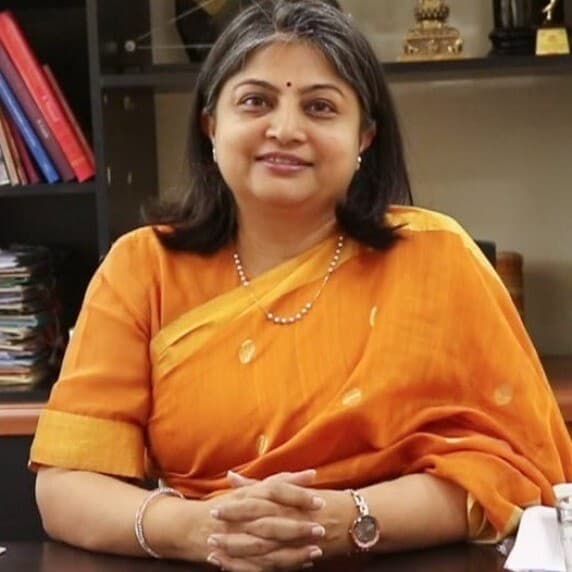
Dr. Toolika Gupta
(Director, IICD - Indian Institute of Crafts and Design)

Satyasha Rajput
Operations Manager

Priti Pandey
Udyam Mitra
Our Programs
Project Samavesh
Conceptualized in collaboration with Hand for Handmade, Project Samavesh aimed to integrate sustainability while supporting enterprises across three craft value chains - Terracotta, Moonj and Banana Fiber.
By exploring artisans' lifestyles, culture, festivals and rituals, we developed a unique design identity for enterprises, leading to innovation in design, materials, and processes.
Innovation Pilots
Innovations in Material
Encouraging research into alternative materials, we ensure that the handicrafts produced by the artisans are not only beautiful and market ready but also aligned with sustainable production practices, contributing to environmental and social responsibility.
Terracotta is non-biodegradable, as the baking process makes it lose its ability to naturally degrade. We are fostering innovation in material by use of hybrid materials, i.e combining finely crushed recycled clay with fresh clay in different ratios. These hybrids open new creative possibilities, blending durability, functionality, and artistry to meet the demands of contemporary design.
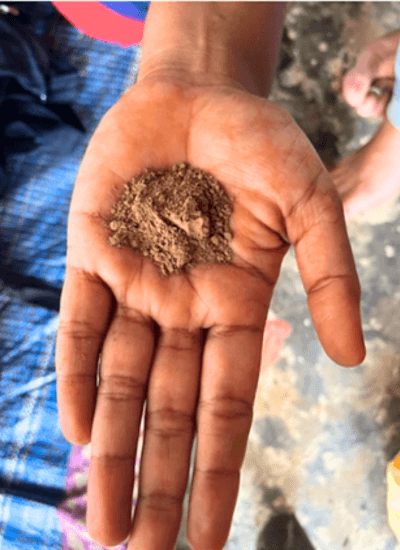
Finely recycled Terracotta
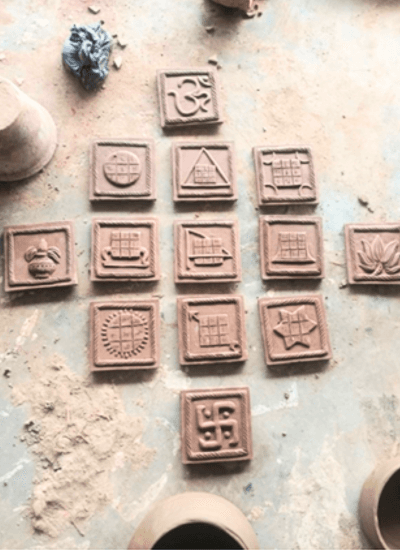
Nav - Garh tiles with 70:30 ratio of recycled and fresh clay
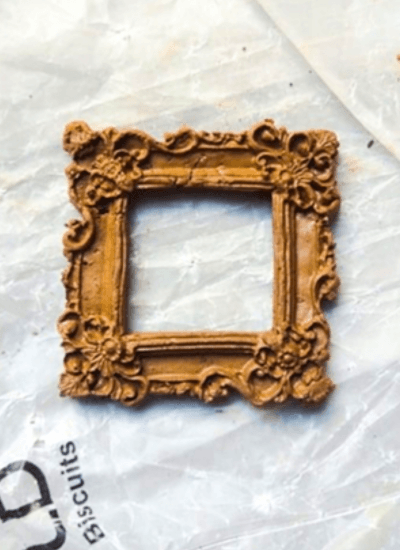
Photo frame with 50:50 ratio of recycled and fresh clay
Innovation in Design
Our aim is to modernize handicrafts while preserving cultural heritage. In Moonj crafts, artisans deeply connect with "Muniya," traditionally used for storing grains, wedding clothes, and ritual items. Honouring its significance, they have re-imagined it as Teen Manzila Muniya - a storage unit with wooden legs in various sizes for organizing. This approach has inspired a new product line, including Petika, a storage unit for clothes that assembles as cabin luggage. By blending tradition with innovation, artisans create functional, aesthetic pieces suited for modern lifestyles, interiors, and global markets while retaining their cultural essence.
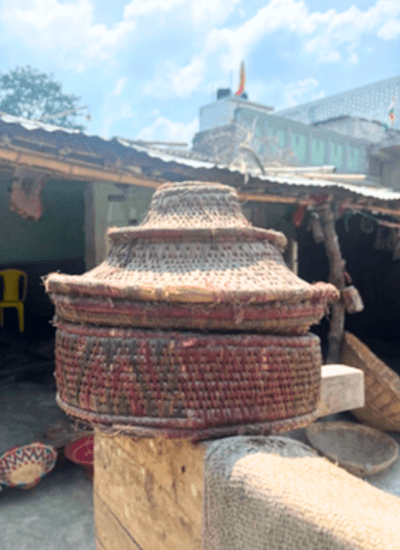
30 year old dilapidated Muniya
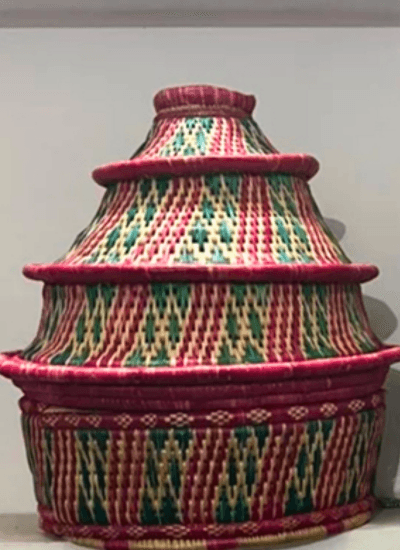
Newly made Muniya
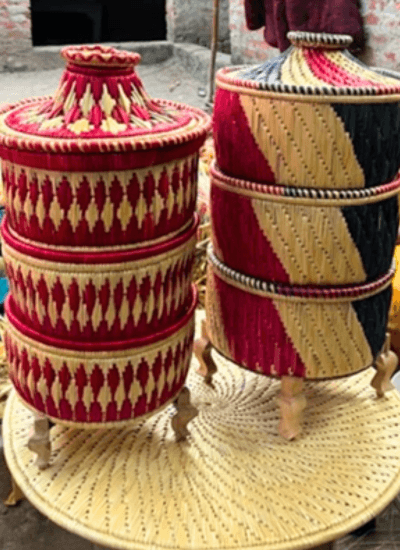
New Product - Teen Manzila Muniya
Innovation in Process
Banana fiber is abundant in Kushinagar, with the potential to employ 600 women in handicrafts. While still in its early stages, process optimization is improving efficiency without compromising quality. Artisans are adopting eco-friendly retting over machine decortication, reducing energy use. Natural dyes like turmeric, beetroot, and chili leaves, along with coconut and mustard oils, enhance fiber softness and durability.
They craft handmade yarns, crochet products, and devotional items like sumirans, padukas, aasans, and kanha ka palna, linking their work to Lord Vishnu. Improved techniques in extraction, dyeing, weaving, and finishing ensure sustainable and scalable craftsmanship.
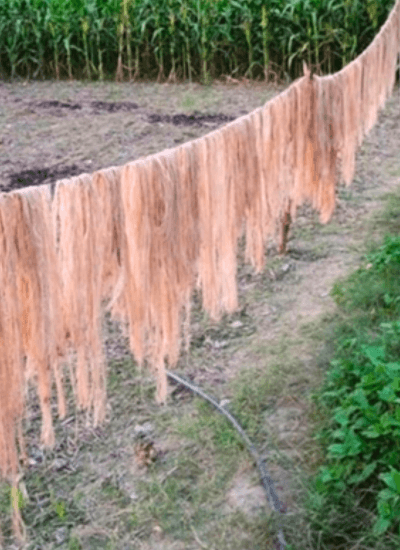
Banana fiber extraction by eco-friendly retting process
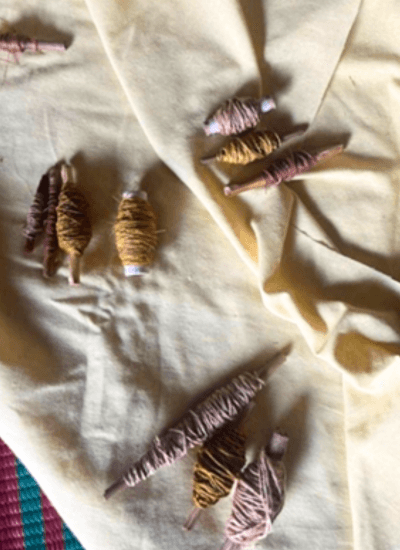
Naturally dyed handmade yarn reels
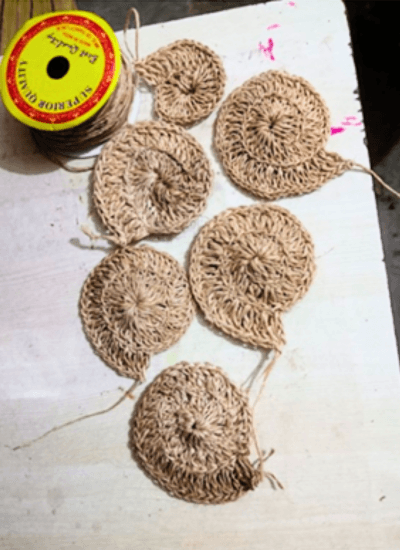
Crocheted samples out of fine yarns
Abhivyakti
Under Abhivyakti (Design thinking and adaptive leadership workshop) with a total of 60 artisans and leaders from the 3 value chains of Moonj, Banana Fibre, and Terracotta, in Deoria, Kushinagar and Gorakhpur respectively we experienced and enabled a space for artistic and human expression. Through exploration of various mediums like colouring, body movement, storytelling and more we unfolded cultural influences in design and product development.
The assessment of these workshops outlined the necessary steps for associated enterprises to scale in appropriate direction, including an indicative growth plan in the context of design development for all enterprises.
Our Partners